Your Journey, Our Expertise...
Menu

Tamang heritage trail and langtang valley trekking

14 Days • modently • Best season: march -may octomber -december
tamang heritage trail and langtang valley trekking

Overview

Tamang Heritage Trail & Langtang Valley Trek

Overview

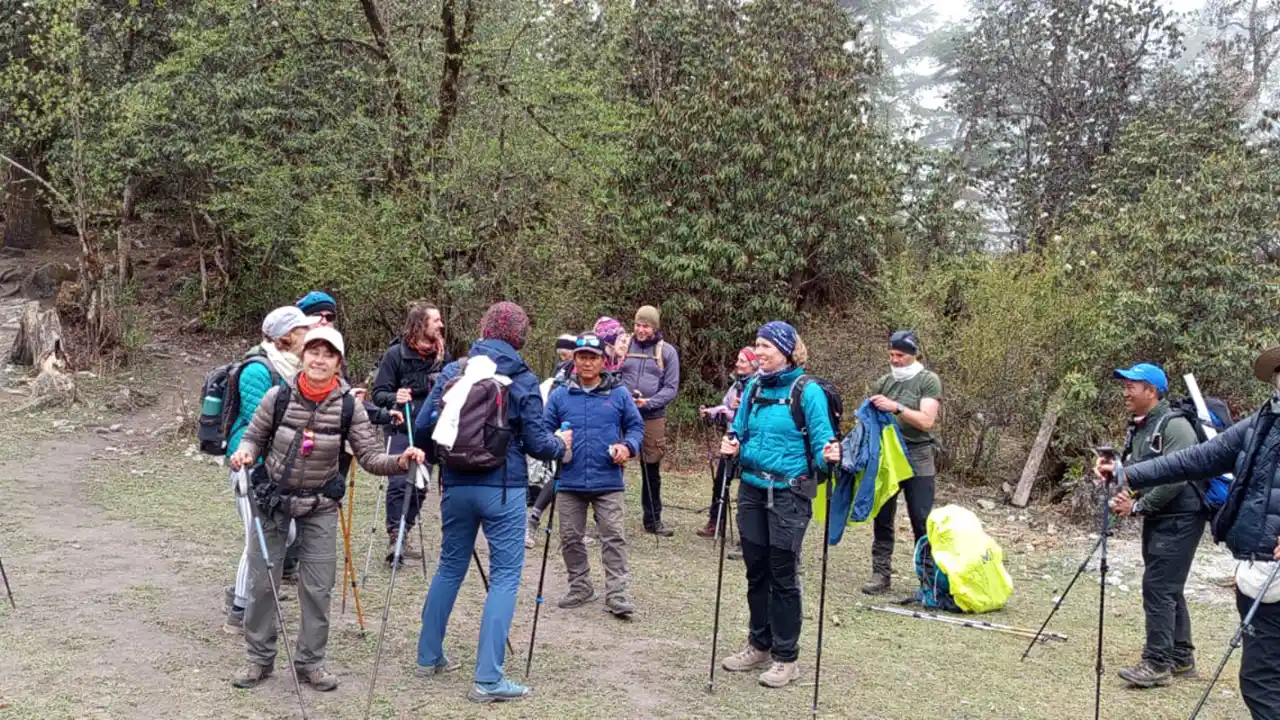
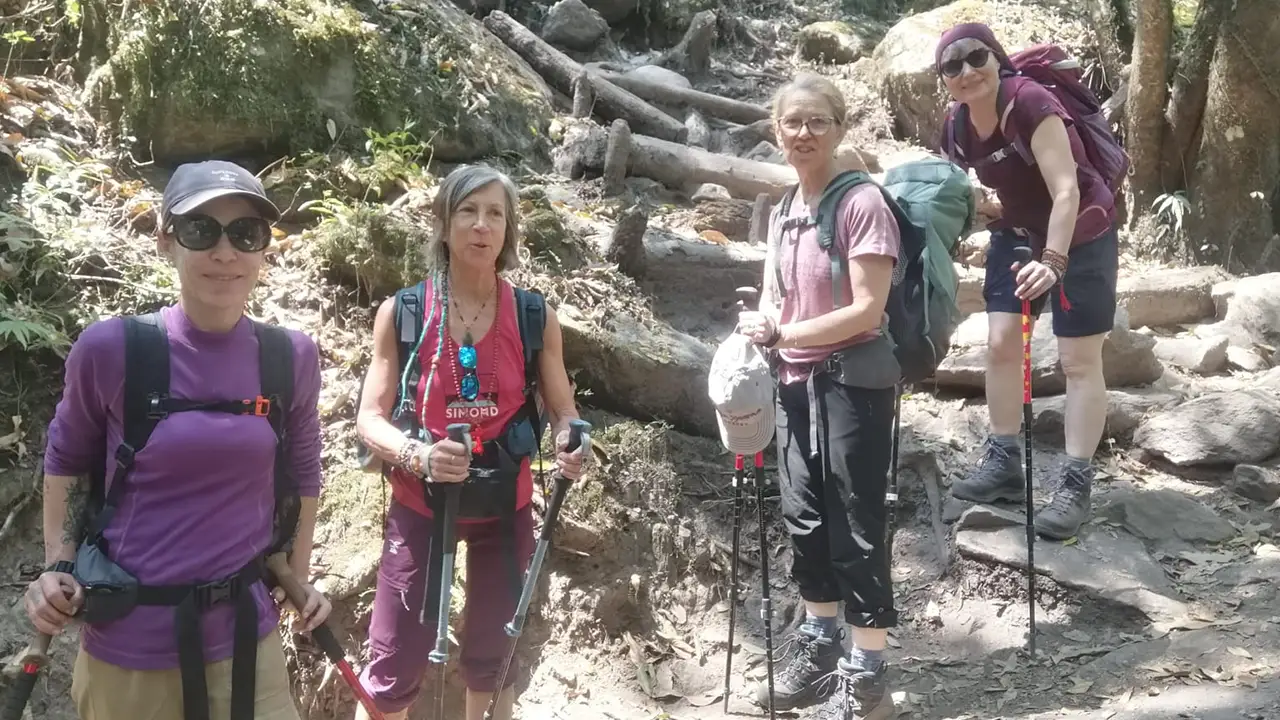
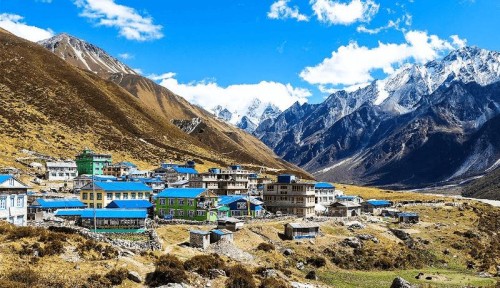
The Tamang Heritage Trail & Langtang Valley Trek is one of Nepal's most rewarding Himalayan journeys, combining authentic cultural experiences with breathtaking mountain landscapes. Located within the beautiful Langtang region, north of Kathmandu and close to the Tibetan border, this adventure offers trekkers the perfect balance of traditional village life, ancient Buddhist heritage, spectacular alpine scenery, glaciers, forests, and panoramic Himalayan viewpoints.

This unique trekking route begins along the Tamang Heritage Trail, where travelers explore traditional Tamang villages, experience warm local hospitality, visit ancient monasteries, relax in natural hot springs, and discover centuries-old Tibetan Buddhist traditions. The trail then joins the famous Langtang Valley Trek, leading through lush forests, yak pastures, rivers, waterfalls, and alpine meadows to the beautiful settlement of Kyanjin Gompa, surrounded by snow-capped Himalayan giants. The combined route is widely recognized as one of Nepal's finest cultural and nature treks.

Unlike the busier Everest and Annapurna regions, this trek provides a peaceful Himalayan experience with fewer crowds while still offering outstanding mountain scenery and comfortable teahouse accommodation. Every day presents new landscapes, changing from subtropical forests to high alpine valleys beneath towering peaks.


Trek Highlights

  • Experience the authentic lifestyle and hospitality of the Tamang people.
  • Visit traditional Tamang villages including Gatlang, Tatopani, Thuman, Briddim, Langtang Village, and Kyanjin Gompa.
  • Explore ancient Buddhist monasteries, chortens, mani walls, and colorful prayer flags.
  • Relax in the natural hot springs at Tatopani.
  • Trek through Langtang National Park, Nepal's first Himalayan National Park.
  • Discover forests of rhododendron, bamboo, pine, oak, fir, maple, and juniper.
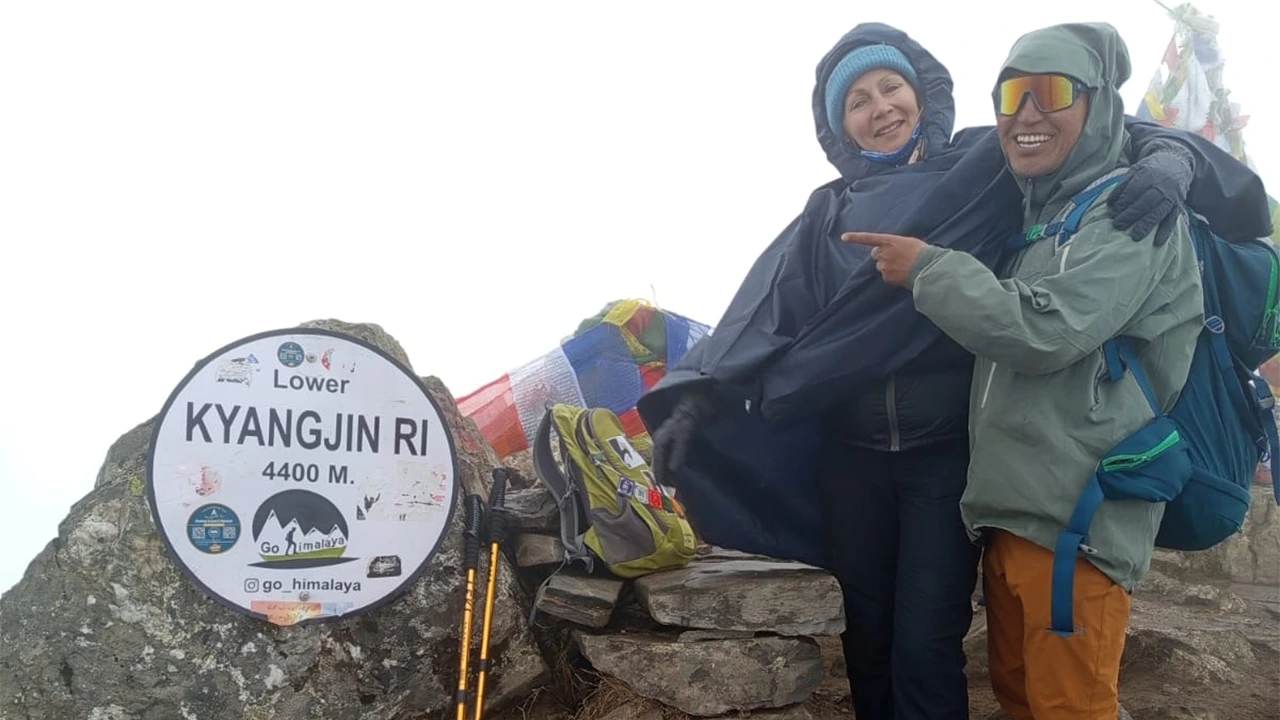
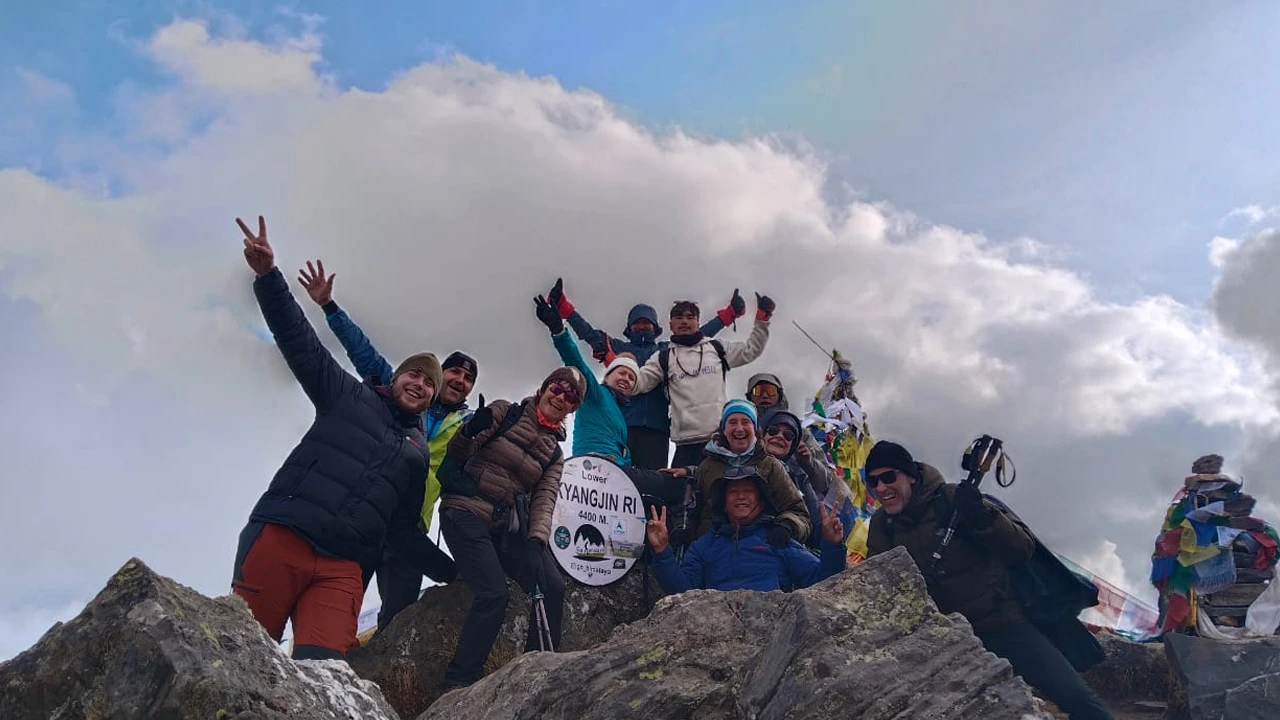
  • Enjoy spectacular Himalayan panoramas from Nagthali Viewpoint and Kyanjin Ri.
  • Visit traditional yak cheese factories in Kyanjin Gompa.
  • Witness glaciers, waterfalls, alpine rivers, and dramatic mountain valleys.
  • Experience comfortable teahouse trekking with warm local hospitality.

Trek Region

The trek lies inside Langtang National Park, approximately 120 km north of Kathmandu. The region borders Tibet and is strongly influenced by Tibetan Buddhism, making it one of Nepal's richest cultural destinations. The Tamang people have preserved their traditions, architecture, language, dress, music, festivals, and religious practices for generations, providing visitors with a genuine cultural experience.


Mountain Views

Throughout the journey, trekkers enjoy magnificent views of many Himalayan peaks, including:

  • Langtang Lirung (7,227 m)
  • Ganesh Himal
  • Dorje Lakpa
  • Gangchempo
  • Langshisa Ri
  • Naya Kanga
  • Yala Peak
  • Shishapangma (Tibet)
  • Tibetan Himalayan ranges
  • Numerous snow-covered alpine peaks and glaciers

Sunrise and sunset from Nagthali and Kyanjin Ri provide unforgettable Himalayan panoramas.


Nature & Wildlife

The trail passes through the diverse ecosystems of Langtang National Park, home to exceptional Himalayan biodiversity.

Flora

  • Rhododendron forests
  • Pine forests
  • Bamboo forests
  • Oak
  • Fir
  • Maple
  • Juniper
  • Alpine shrubs
  • Wild orchids
  • Colorful Himalayan wildflowers

During spring, the forests bloom with vibrant rhododendrons, creating one of Nepal's most beautiful trekking landscapes.

Fauna

Lucky trekkers may encounter:

  • Red Panda
  • Himalayan Black Bear
  • Himalayan Tahr
  • Musk Deer
  • Langur Monkeys
  • Himalayan Monal (Nepal's National Bird)
  • Blood Pheasant
  • Eagles
  • Himalayan Griffon Vultures
  • Various mountain birds and butterflies


Culture & Spiritual Experience

One of the greatest attractions of this trek is its rich Tamang culture.

The Tamang people have lived in these mountains for centuries and continue to preserve their traditional way of life. Visitors experience:

  • Traditional stone-built villages
  • Tibetan-style houses
  • Ancient Buddhist monasteries
  • Prayer wheels
  • Mani walls
  • Chortens
  • Colorful prayer flags
  • Local festivals
  • Traditional Tamang music and dances
  • Yak farming
  • Local cheese making
  • Handmade crafts

The spiritual atmosphere throughout the region reflects centuries of Buddhist tradition and peaceful Himalayan living.


Trek Difficulty

The Tamang Heritage Trail & Langtang Valley Trek is considered a moderate trek.

It is suitable for:

  • First-time Himalayan trekkers with reasonable fitness
  • Couples
  • Families with trekking experience
  • Nature lovers
  • Photographers
  • Adventure travelers
  • Experienced hikers seeking a cultural Himalayan journey

Daily walking generally ranges from 5–7 hours on well-established mountain trails.


Best Time to Trek

Spring (March – May)

  • Clear mountain views
  • Blooming rhododendron forests
  • Pleasant temperatures
  • Excellent wildlife viewing

Autumn (September – November)

  • Crystal-clear skies
  • Stable weather
  • Comfortable trekking temperatures
  • Spectacular Himalayan panoramas

Winter offers snowy scenery for experienced trekkers, while the summer monsoon brings lush landscapes but wetter trail conditions.


Accommodation & Meals

Accommodation is provided in comfortable local teahouses and family-run lodges. Guests enjoy warm hospitality while experiencing authentic mountain life.

Typical meals include:

  • Breakfast
  • Lunch
  • Dinner
  • Tea and coffee
  • Nepali Dal Bhat
  • Fried rice
  • Noodles
  • Pasta
  • Soups
  • Pancakes
  • Eggs
  • Fresh vegetables
  • Local yak cheese in Kyanjin Gompa

Why Choose Nepal Voyage Treks?

At Nepal Voyage Treks, we are committed to providing unforgettable trekking experiences with professional service, safety, and genuine local hospitality. Our experienced guides have extensive knowledge of the Langtang region, its culture, history, mountains, wildlife, and hidden trails.

We carefully organize every aspect of your journey—from transportation and accommodation to permits and experienced local guides—ensuring a safe, comfortable, and memorable adventure.

Whether you are seeking cultural immersion, Himalayan scenery, photography, wildlife, or spiritual exploration, the Tamang Heritage Trail & Langtang Valley Trek offers one of Nepal's most complete trekking experiences. Join Nepal Voyage Treks and discover the hidden beauty, rich traditions, and spectacular landscapes of the Langtang Himalayas.

Tamang heritage trail and langtang valley trekking

Trekking & Hiking Adventure

Region Langtang Region
Duration 12 days
Grade Modently
Meal B/L/D
Group Size 1-30
Accomodation Lodge
Best Season March -may octomber -december
Start/End Ktm-ktm
Max Altitude 42 m
Activity Trekking .hikking
Day 1 — Arrival in Kathmandu & Welcome Dinner
Elevation 130 m
Distance ⟺ 6-7 km

Arrival in Kathmandu & Welcome Dinner

Warm Airport Welcome

Namaste and welcome to Nepal! Your Himalayan journey begins the moment you step out of the arrival terminal at Tribhuvan International Airport (TIA) in Kathmandu. An official representative or guide from Nepal Voyage Treks will be waiting to greet you warmly with a traditional welcome garland or khada scarf.

Seamless Private Transfers (Tailored to Your Group Size)

We value your comfort after a long international flight. You will bypass the hassle of local airport taxis and board a modern, air-conditioned private vehicle exclusively reserved for your party.

To ensure a spacious and smooth journey, we customize our private fleet based on your group size (Pax):

  • 1 – 2 Passengers: Premium Private Sedan / Car

  • 3 – 5 Passengers: Rugged Private Jeep / SUV (ideal for extra luggage space)

  • 6 – 12 Passengers: Comfortable Private Van (Hiace)

  • 13+ Passengers: Deluxe Private Tourist Bus / Coaster

Drive Time: The direct private transfer from the international airport to your hotel in Thamel or central Kathmandu takes approximately 30 minutes, depending on daily city traffic.

Hotel Check-In & Free Time

Upon reaching your hotel, your guide will assist you with a swift check-in. You will have the afternoon free to unpack, rest, shake off the jet lag, or explore the colorful nearby streets at your own casual pace.

Complimentary Welcome Dinner by Nepal Voyage Treks

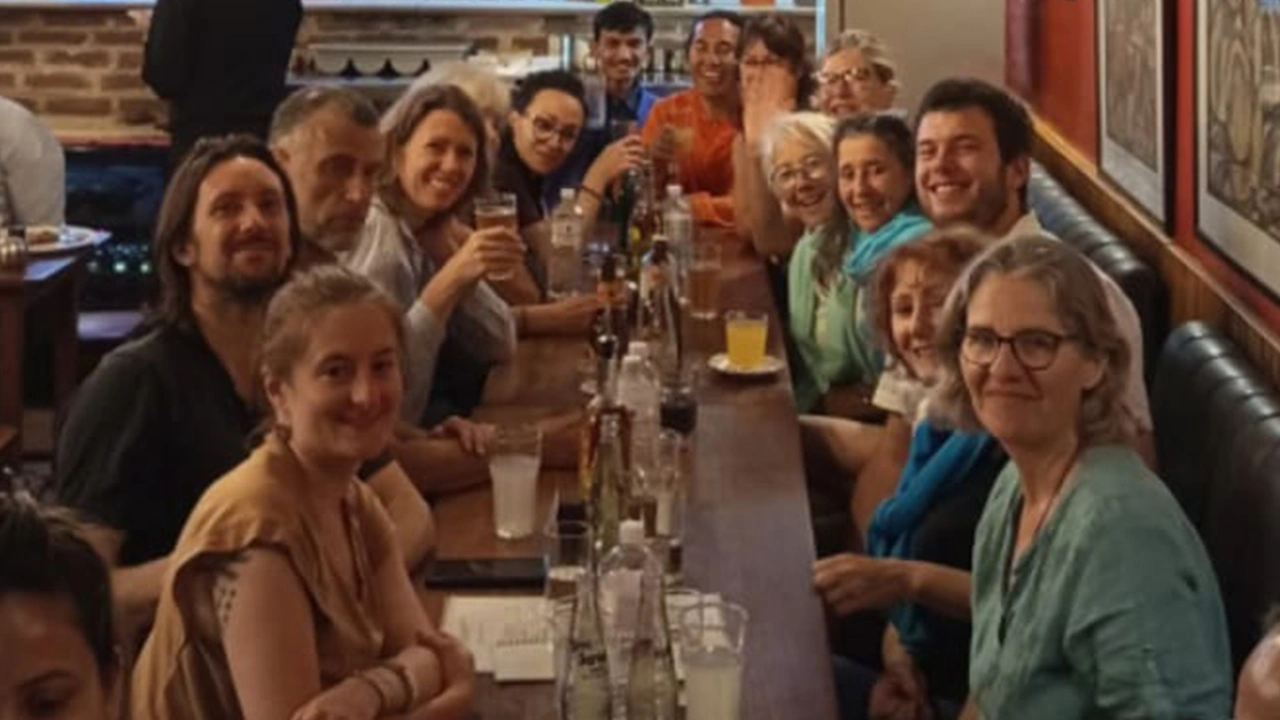
In the evening, our team will pick you up for a special Welcome Dinner hosted entirely by the company.

We will take you to a premier, traditional Nepalese restaurant to enjoy an authentic multi-course meal (including the classic Nepali Dal Bhat, momos, and local delicacies) accompanied by a vibrant cultural music and dance performance. During dinner, your guide will conduct a brief pre-trip meeting to review your trekking itinerary, double-check your gear, and answer any final questions before we head out to the mountains.

  • Meals Included: Welcome Dinner

  • Overnight: Standard 3-Star or 4-Star Hotel in Kathmandu

  • Booking & Logistics: www.nepalvoyagetreks.com

Accomodation: hotel
Meals: dinner
Duration: 30m
Day 2 — Kathmandu to Syabrubesi
Ups ↑ +100 m
Down ↓ 200 m
Elevation 1470 m
Distance ⟺ 1470

Kathmandu to Syabrubesi

  • Overview: Your journey begins with a scenic and rugged drive leaving the Kathmandu Valley behind. The road winds north along deep river valleys and terraced hillsides, tracing the Trishuli River.

  • Daily Stats:

    • Target Elevation: 1,470m (4,822 ft)

    • Distance: ~122 km (75 miles)

    • Duration: ~6 hours drive

    • Ascent/Descent: N/A (Driving day)

  • Mountain Views: On clear days, you catch your first glimpses of the Ganesh Himal and the distant Gosaikunda ridge line.

  • Flora & Fauna: Subtropical vegetation, terraced rice paddies, banana trees, and domestic water buffaloes scattered across rural roadside settlements.

  • Culture & Spirituality: You will pass through bustling local markets and diverse highway towns, watching the transition from the city's Newari architecture to the rustic stone and wood homes of the mountain foothills.

Accomodation: hotel /lodge
Meals: B/L/D
Duration: ~6 hours drive
Day 3 — Syabrubesi to Gatlang
Ups ↑ +800m / m
Down ↓ -300 m
Elevation 2238 m
Distance ⟺ Distance: ~12 km (7.4 miles)

Syabrubesi to Gatlang

  • Overview: The foot journey begins. You leave the main road and climb steeply up to the ridge of Rongga Bhanjyang before descending into the sweeping Goljung Valley, eventually arriving at the beautifully preserved village of Gatlang.

  • Daily Stats:

    • Target Elevation: 2,238m (7,342 ft)

    • Distance: ~12 km (7.4 miles)

    • Duration: ~5 hours walk

    • Approx. Ascent: +800m / Approx. Descent: -100m

  • Mountain Views: Expansive, open views of the Ganesh Himal range and the Langtang valley walls from the high ridges.

  • Flora & Fauna: Blue pine forests and mixed oak woodlands. Keep an eye out for native bird species like the Himalayan Bulbul.

  • Culture & Spirituality: Gatlang is a cornerstone of Tamang culture. Clients will walk among traditional black-stone houses with intricately carved wooden window frames. The trail is lined with ancient Buddhist mani walls (prayer stones) and chortens. They can also visit the sacred highland lake, Parbati Kund.

Accomodation: guest house
Meals: B/L/D
Duration: 5 hours walk
Day 4 — Gatlang to Tatopani
Ups ↑ +600m / m
Down ↓ -300 m
Elevation 2670 m
Distance ⟺ 12.5 km

Gatlang to Tatopani

  • Overview: A dynamic day of trekking that drops down to the Chilime River basin before climbing back up through pristine forests to the hillside settlement of Tatopani, famous for its natural volcanic hot springs.

  • Daily Stats:

    • Target Elevation: 2,607m (8,553 ft)

    • Distance: ~12.5 km (7.7 miles)

    • Duration: ~5–6 hours walk

    • Approx. Ascent: +600m / Approx. Descent: -300m

  • Mountain Views: Closer, sharper views of Langtang Lirung and the jagged snowcapped peaks guarding the Tibetan border.

  • Flora & Fauna: Rich bamboo groves and dense rhododendron forests. Langur monkeys are frequently seen swinging through the forest canopy here.

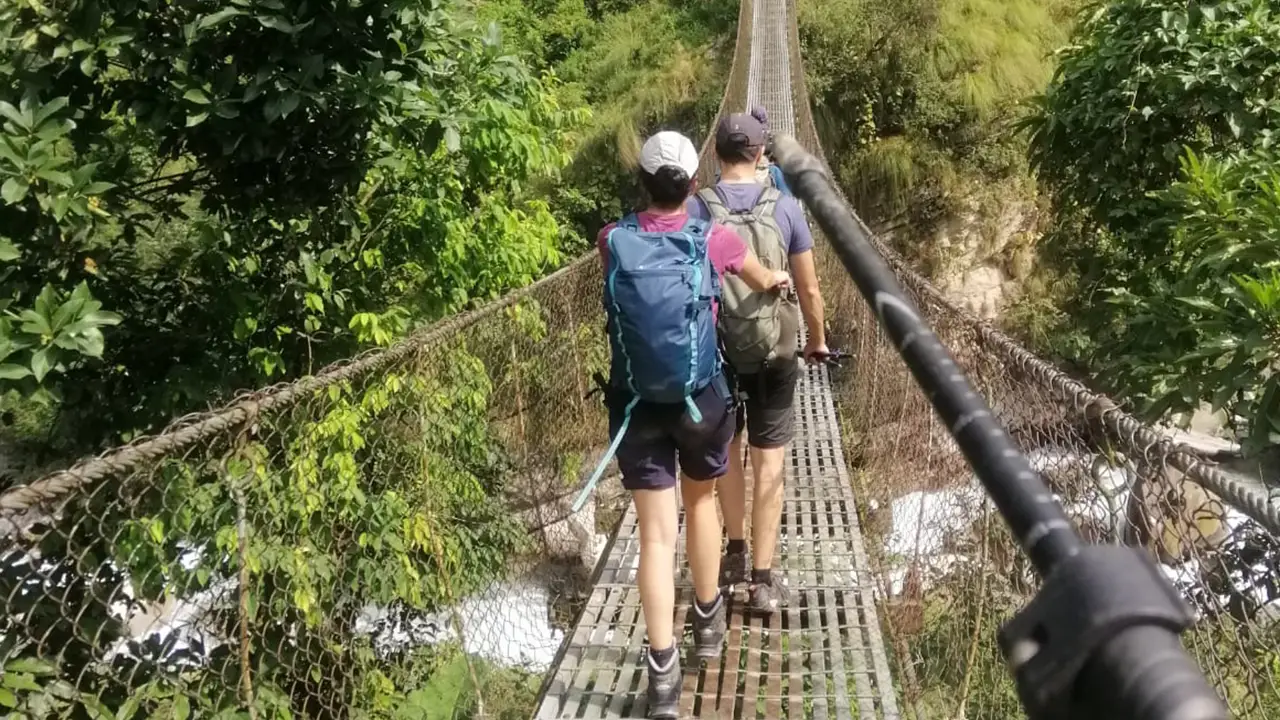
  • Culture & Spirituality: You cross the Chilime River via a classic suspension bridge, passing local hydropower works that bring clean energy to the valley. The day ends at the hot springs (Tatopani translates directly to "hot water"), where locals and travelers alike gather for the water’s spiritual and physical healing properties.

Accomodation: lodge
Meals: B/L/D
Duration: ~5–6 hours walk
Day 5 — Tatopani – Nagthali – Thuman
Ups ↑ +650m / m
Elevation 2338 m
Distance ⟺ 10 km (6.2 miles)

Tatopani – Nagthali – Thuman

  • Overview: This is the highest and most visually spectacular day of the Tamang Heritage section. You climb up to the high grassland plateau of Nagthali Danda before dropping down into the Tibetan-influenced village of Thuman.

  • Daily Stats:

    • Target Elevation: 2,338m (7,670 ft) via Nagthali Pass at 3,165m (10,383 ft)

    • Distance: ~10 km (6.2 miles)

    • Duration: ~7–8 hours walk

    • Approx. Ascent: +650m / Approx. Descent: -800m

  • Mountain Views: Absolutely breathtaking, unobstructed 360-degree panoramas from Nagthali Danda. You will see Langtang Lirung, Shishapangma (8,027m in Tibet), Ganesh Himal, and Sanjen Himal right in front of you.

  • Flora & Fauna: Alpine grasslands and high-altitude mossy pine woods. Troops of grey langur monkeys inhabit the lower sections of the descent.

  • Culture & Spirituality: Nagthali Danda historically served as a profound meditation retreat for local Buddhist monks. Thuman village welcomes clients with its deeply rooted Tibetan-Buddhist traditions, ancient monasteries, and unique cultural evening dances.

Accomodation: lodge
Meals: B/LD
Duration: ~7–8 hours walk
Day 6 — Thuman to Sherpa Gaon via Briddim
Ups ↑ +400m / m
Elevation 2563 m
Distance ⟺ ~11 km (6.8 miles)

Thuman to Sherpa Gaon via Briddim

  • Overview: The trail drops down to cross the Bhote Koshi River, passes through the classic stone homestay village of Briddim, and climbs steadily up the other side of the valley to join the main Langtang route at Sherpa Gaon.

  • Daily Stats:

    • Target Elevation: 2,563m (8,408 ft)

    • Distance: ~11 km (6.8 miles)

    • Duration: ~6–7 hours walk

    • Approx. Ascent: +400m / Approx. Descent: +400m /

  • Mountain Views: Changing angles of the Langtang range as you transition from one side of the mountain valley to the other.

  • Flora & Fauna: Wild orchids, ferns, and dense sub-alpine brush along the river valleys.

  • Culture & Spirituality: Briddim offers an authentic look at Tibetan-style mountain living. This day beautifully bridges the cultural shift from the Tamang customs of the lower hills to the Sherpa traditions of the upper valley.

Accomodation: guest house
Meals: B/L/D
Duration: ~6–7 hours walk
Day 7 — Sherpa Gaon to Langtang Village
Ups ↑ +950m / m
Down ↓ 100 m
Elevation 3430 m
Distance ⟺ 12 km (7.4 miles)

Sherpa Gaon to Langtang Village

  • Overview: You enter the heart of the Langtang National Park. The trail climbs steadily alongside the rushing torrents of the Langtang Khola, passing through old pasture lands and entering the high alpine valley.

  • Daily Stats:

    • Target Elevation: 3,430m (11,253 ft)

    • Distance: ~12 km (7.4 miles)

    • Duration: ~6–7 hours walk

    • Approx. Ascent: +950m / Approx. Descent: -100m

  • Mountain Views: The massive south face of Langtang Lirung dominates the sky, towering directly over the path.

  • Flora & Fauna: High alpine pine and juniper trees. This area is the prime habitat for the rare, elusive Red Panda and the Himalayan Tahr (wild mountain goat).

  • Culture & Spirituality: You will pass the historic checkpoint of Ghoda Tabela (Horse Stable) and spin water-driven prayer wheels. Walking through the rebuilt Langtang Village gives clients a profound look at the incredible resilience and spirit of the local community.


Accomodation: lodge/ tea house
Meals: B/L/d
Duration: 6–7 hours walk
Day 8 — Langtang Village to Kyanjin Gompa
Ups ↑ +440m m
Down ↓ 100 m
Elevation 3870 m
Distance ⟺ ~7 km (4.3 miles)

Langtang Village to Kyanjin Gompa

  • Overview: A shorter, gentler uphill walk that leads deep into the glacial valley. The landscape transitions into high alpine tundra, bringing you to the final valley settlement of Kyanjin Gompa.

  • Daily Stats:

    • Target Elevation: 3,870m (12,696 ft)

    • Distance: ~7 km (4.3 miles)

    • Duration: ~3–4 hours walk

    • Approx. Ascent: +440m / Approx. Descent: Minimal

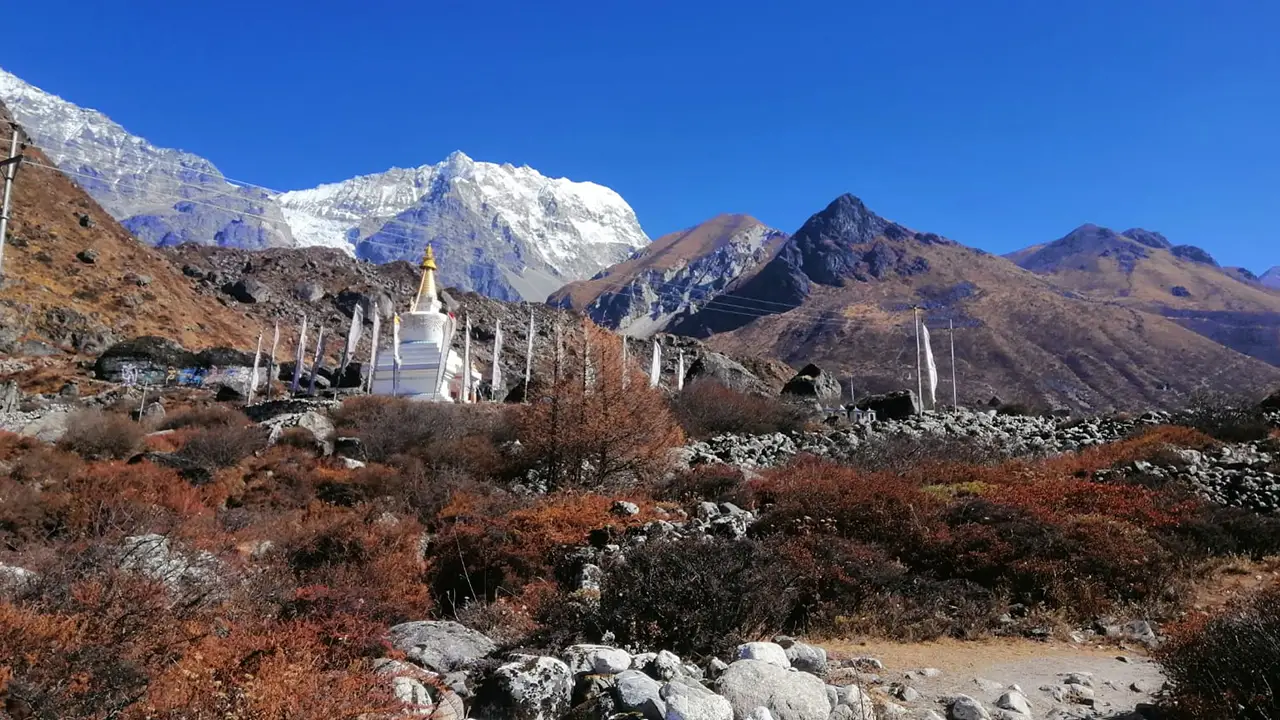
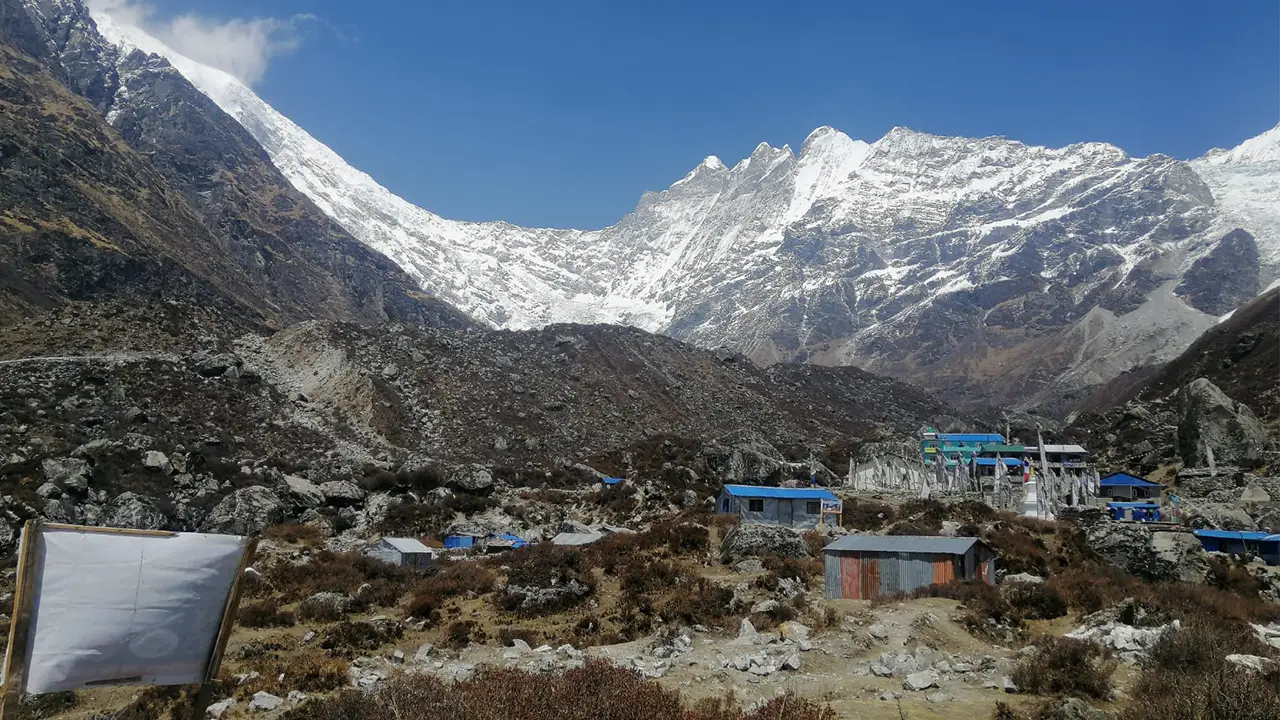
  • Mountain Views: An awe-inspiring mountain amphitheater. You are surrounded completely by peaks: Langtang Lirung, Ganchenpo, Yala Peak, Naya Kanga, and Dorje Lakpa.

  • Flora & Fauna: Low-lying juniper bushes and hardy alpine shrubs. You will share the trail with large herds of grazing yaks.

  • Culture & Spirituality: The approach to Kyanjin is marked by the valley's largest mani walls, built from thousands of stones carved with Tibetan prayers. The village houses an ancient, sacred monastery and the region's famous government yak cheese factory.

Accomodation: lodge
Meals: B/L/D
Duration: 3–4 hours walk
Day 9 — Kyanjin Gompa: Excursion to kyanjing ri or Tsergo Ri
Ups ↑ +1,115m m
Elevation 4985 m
Distance ⟺ 10 km

Kyanjin Gompa: Excursion to Tsergo Ri this hikking to see the mountains viw so..

  • Overview: The ultimate challenge and highlight of the trip. A steep, demanding day hike leads to the top of Tsergo Ri peak for one of the most comprehensive views of the central Himalayas available to trekkers.

  • Daily Stats:

    • Target Elevation: 4,985m (16,354 ft)

    • Distance: ~8 km (4.9 miles) round trip

    • Duration: ~6–7 ho

    • urs walkApprox. Ascent: +1,115m / Approx. Descent: -1,115m

  • Mountain Views: An unmatched, panoramic vista of more than 20 snow-covered peaks, sprawling icefalls, and massive glaciers rolling down from the high passes.

  • Flora & Fauna: Very sparse, high-altitude rock desert vegetation. You will likely see majestic Himalayan griffons, eagles, and red-billed choughs soaring in the thin air.

  • Culture & Spirituality: The summit of Tsergo Ri is marked by a massive cluster of colorful prayer flags. Standing at nearly 5,000 meters sends a powerful sense of accomplishment, peace, and spiritual clarity across the roof of the world.

Accomodation: lodge teahouse hotel ..
Meals: B/L/D
Duration: 3-4. 6-7
Day 10 — Kyanjin Gompa to Lama Hotel
Ups ↑ Minimal / m
Down ↓ -1550 m
Elevation 2324 m
Distance ⟺ 20 km (12.4 miles)

Kyanjin Gompa to Lama Hotel

  • Overview: Leaving the high valley, you trace your steps back down the mountain path. Because you are descending, the walking is swift, and you quickly watch the landscape transform back into lush greenery.

  • Daily Stats:

    • Target Elevation: 2,324m (7,624 ft)

    • Distance: ~20 km (12.4 miles)

    • Duration: ~8-9 hours walk

    • Approx. Ascent: Minimal / Approx. Descent: -1,550m

  • Mountain Views: The high peaks slowly recede into the distance behind you, providing a beautiful rearview farewell to the valley.

  • Flora & Fauna: Re-entering the dense, oxygen-rich forests of oak, maple, and rhododendron. The air fills with the sounds of forest birds and the roaring Langtang River.

  • Culture & Spirituality: You cross standard local trade routes where you can witness the daily lives of mountain peoples moving goods between the upper pastures and lower villages.


Accomodation: guest house /hotel
Meals: B/L/D
Duration: ~8-9 hours walk
Day 11 — Lama Hotel to Syabrubesi
Ups ↑ Minor short climbs / m
Down ↓ -924 m
Elevation 1400 m
Distance ⟺ ~11 km (6.8 miles)

Lama Hotel to Syabrubesi

  • Overview: Your final day on the trail. You follow the river downstream, enjoying the thick sub-tropical forests and gentle downhill grades until you close the loop back at the starting town of Syabrubesi.

  • Daily Stats:

    • Target Elevation: 1,400m (4,593 ft)

    • Distance: ~11 km (6.8 miles)

    • Duration: ~6 hours walk

    • Approx. Ascent: Minor short climbs / Approx. Descent: -924m

  • Mountain Views: Lush, rolling green hills replace the icy peaks, showing the classic landscape of mid-hill Nepal.

  • Flora & Fauna: Ferns, mosses, and bright sub-tropical wildflowers. Wild honeybee nests can often be spotted clinging to high rock cliffs across the river.

  • Culture & Spirituality: Reaching Syabrubesi marks the completion of the walking journey. It is a time for celebration with your local guides and porters, honoring the collective effort of the journey.


Accomodation: lodge hotel
Meals: B/L/D
Duration: ~6 hours walk
Day 12 — Syabrubesi to Kathmandu
Ups ↑ 200m m
Down ↓ 100 m
Elevation 1350 m
Distance ⟺ 122 km (75 miles

Syabrubesi to Kathmandu

  • Overview: You board your private vehicle for the drive back to the capital. Relax and watch the rural mountain life pass by your window as you return to the comforts of the city.

  • Daily Stats:

    • Target Elevation: 1,400m (4,593 ft)

    • Distance: ~122 km (75 miles)

      Nepal Hiking Team

    • Duration: ~6 -7 hours drive

    • Ascent/Descent: N/A (Driving day)

  • Mountain Views: Distant, final panoramic glimpses of the Central Himalayan ranges as you cross the final ridges back into the Kathmandu Valley.

  • Flora & Fauna: Terraced farmland, local fruit stands, and standard valley ecosystems.

  • Culture & Spirituality: Returning to the historic capital city. A celebratory group dinner provides the perfect formal closing to an unforgettable cultural and spiritual exploration with Nepal Voyage Treks.

Accomodation: hotel
Meals: B/L/D
Duration: 6 -7hours drive
Day 13 — kathmandu heritage site.full day sightseeing with cultural guise
Ups ↑ 1400 m
Down ↓ 000 m
Elevation 1400 m
Distance ⟺ 25 to 30 km total)

The Ultimate Kathmandu Valley UNESCO World Heritage Sightseeing Guide

The Kathmandu Valley holds an extraordinary concentration of living history. Seven UNESCO World Heritage monument zones sit within this single valley, showcasing centuries of artistic, architectural, and spiritual evolution.

UNESCO

For international clients booking through Nepal Voyage Treks (www.nepalvoyagetreks.com), this full-day or two-day sightseeing itinerary offers an unforgettable journey back in time. Following a decade of careful recovery, these sites are beautifully restored using traditional Newari brick, stone, and wood carving techniques, making it the perfect time to experience them.

Explore All About Nepal

Here is the comprehensive, historically detailed guide to the six premier heritage sites for your website and client dossiers.

1. Kathmandu Durbar Square (Hanuman Dhoka)

Explore All About Nepal

The Living Heart of Royal History

Located in the center of old Kathmandu, this ancient complex served as the royal seat for both the Malla kings and the Shah dynasty until the late 19th century. It is a dense network of over 50 temples, courtyards, and palaces that tells the story of Nepal's unification.

Recreation Holidays+ 1

  • Historical Significance: This site witnessed the coronation of Nepali monarchs for centuries. It showcases the architectural competition between the three valley kingdoms, where each ruler tried to build more grand and ornate structures than their neighbors.

  • Full Sightseeing Highlights:

    • Kumari Ghar: The heavily carved wooden palace home of the Royal Kumari—a young girl revered as the living earthly manifestation of the goddess Taleju. Clients can enter the brick courtyard to catch a glimpse of the Living Goddess at her window.

      Explore All About Nepal+ 1

    • Kasthamandap (The Wooden Pavilion): The iconic three-story public pavilion that gave the city of Kathmandu its name. Meaning "Wood Pavilion," legend says workers built it from the timber of a single cosmic tree. Master artisans completely rebuilt it using ancient joinery techniques.

      Himalayan Abode

    • Hanuman Dhoka Palace & Basantapur Tower: The sprawling royal residence guarded by a stone statue of the monkey god Hanuman. The adjoining nine-story Basantapur Tower offers a stunning view over the historic square.

      Best Heritage Tour

    • Kal Bhairav: A massive, fierce 17th-century stone relief of Lord Shiva in his destructive manifestation. Historically, people brought suspected criminals before this deity to swear the truth, believing lying to Bhairav caused instant death.

2. Patan Durbar Square (Lalitpur)

Recreation Holidays

The City of Fine Arts and Master Craftsmen

Situated just across the Bagmati River in the ancient city of Lalitpur (meaning "City of Beauty"), Patan Durbar Square represents the absolute pinnacle of Newari architecture. Patan is heavily influenced by Buddhist traditions, housing more than 300 historic monastic courtyards (viharas).

Explore All About Nepal+ 1

  • Historical Significance: Most monuments here date back to the 1600s under King Siddhi Narsingh Malla, Patan's first independent ruler. The architecture reflects a flawless blend of Hindu and Buddhist design elements standing side-by-side.

    Best Heritage Tour+ 1

  • Full Sightseeing Highlights:

    • Krishna Mandir: A true masterpiece of stone architecture. Unlike the surrounding wooden pagodas, workers built this multi-tiered temple entirely from carved stone in the Indian Shikhara style. It features 21 golden spires, and its exterior friezes tell the entire epic histories of the Mahabharata and Ramayana.

      Best Heritage Tour+ 1

    • The Golden Temple (Hiranya Varna Mahavihar): A spectacular three-story Buddhist monastery dating back to the 12th century. The building features a brilliant facade of polished gold and copper plates, guarded by sacred bronze tortoises and mythical lions.

    • The Royal Palace Courtyards: Trekkers can explore three main courtyards: Mul Chowk, Sundari Chowk (featuring the exquisite Tusha Hiti sunken royal bath), and Mani Keshar Chowk, which houses the world-class Patan Museum.

3. Bhaktapur Durbar Square

The Medieval Time Capsule

Bhaktapur, or "The City of Devotees," lies on the eastern edge of the valley. Because the local government restricts motorized vehicles inside the core zone, Bhaktapur remains the most pristine, peaceful, and best-preserved medieval city in all of Nepal.

Mountain Delights Treks+ 1

  • Historical Significance: Bhaktapur was the capital of the entire valley during the early Malla period (12th to 15th centuries). Walking its brick-paved streets feels exactly like stepping directly into the 15th century.

    Happy Mountain Nepal

  • Full Sightseeing Highlights:

    • The 55-Window Palace: Built by King Yaksha Malla in 1427 AD and enhanced in the 17th century, this royal palace dominates the square. Its upper balcony features 55 individual, intricately carved dark wood windows set against red brick walls.

      Destination Nepal Tours and Travels :: DNTT

    • The Golden Gate (Lu Dhowka): The main entrance to the inner Taleju Temple courtyard. Art historians worldwide celebrate this gilded copper gateway as one of the most beautiful pieces of metalwork ever created, featuring relief carvings of the multi-armed goddess Kali.

      Best Heritage Tour

    • Nyatapola Temple: Standing in neighboring Taumadhi Square, this five-tiered structure is the tallest temple in Nepal. Built by King Bhupatindra Malla in 1702 AD, its five roofs symbolize the five natural elements. The steep stone staircase features matching pairs of guardians—wrestlers, elephants, lions, griffins, and goddesses—each ten times stronger than the pair below them.

      Happy Mountain Nepal

    • Pottery Square: A living open-air market where local artisans spin clay on massive wooden wheels and lay thousands of clay pots out to bake under the warm sun.

4. Swayambhunath Stupa (The Monkey Temple)

Nepal Nirvana Trails

The Self-Existent Beacon of Peace

Perched on a forested hilltop west of Kathmandu, Swayambhunath is one of the oldest and most sacred Buddhist shrines in the world, dating back over 2,000 years. It earned its western nickname, "The Monkey Temple," from the large troops of holy rhesus macaques that live in the surrounding trees.

Recreation Holidays

  • Historical Significance: According to valley mythology, the entire Kathmandu Valley was once a massive, deep lake. A brilliant lotus flower spontaneously sprouted on this exact hilltop. The Bodhisattva Manjushri cut a gorge at Chobhar with his sword of wisdom to drain the lake, leaving the lotus to transform into the Swayambhunath hill.

    Destination Nepal Tours and Travels :: DNTT

  • Full Sightseeing Highlights:

    • The Great White Dome: The hemispherical dome represents the entire universe. Above it stands a gilded square tower painted with the iconic, all-seeing eyes of the Buddha, symbolizing wisdom and compassion.

      Nepal Mother House Treks

    • The 365 Stone Steps: Clients can take the dramatic, steep eastern stairway through the trees, passing ancient stone carvings while climbing alongside hundreds of monkeys.

    • Religious Harmony Shrines: Swayambhunath perfectly showcases Nepal's religious unity. Right next to the central Buddhist stupa stands the Harati Mata Temple, a Hindu shrine dedicated to the goddess of smallpox and children, where both faiths worship together daily.

    • Valley Overlook: The hilltop clearing offers a spectacular, 360-degree panoramic view of the sprawling Kathmandu city basin and the northern Himalayan horizon.

5. Pashupatinath Temple

The Sacred Abode of Shiva and the Rituals of Life and Death

Explore All About Nepal

Stretching across both banks of the holy Bagmati River, Pashupatinath is the most significant Hindu temple complex in Nepal and one of the most revered shrines dedicated to Lord Shiva (worshipped here as Pashupati, the Lord of All Animals) anywhere on earth.

Explore All About Nepal

  • Historical Significance: Mentioned in ancient texts dating back to 400 BC, this sprawling site is the spiritual heart for millions of Hindu pilgrims who travel from India and across the world to visit.

  • Full Sightseeing Highlights:

    • The Main Pagoda Temple: Non-Hindus cannot enter the inner sanctum of the main two-tiered golden pagoda temple, but international visitors get an unhindered view of its silver-plated doors and massive bronze statue of Nandi the bull from the opposite riverbank.

    • The Aryaghat Cremation Platforms: Along the banks of the Bagmati River, travelers witness the open-air, public Hindu cremation rituals. This offers a deeply moving, philosophical look into the Hindu concepts of samsara (the cycle of death and rebirth).

      Himalayan Abode

    • The Sadhus (Holy Men): The stone shrines across the river serve as homes for colorful, ash-smeared Sadhus. These wandering ascetics renounce all material possessions to achieve spiritual liberation, often posing for photographs in bright orange robes.

    • Evening Aarati Ceremony: Every evening at sunset, the riverbank comes alive with the Bagmati Ganga Aarati. Priests raise massive oil lamps, blow conch shells, and chant classical hymns while hundreds of pilgrims dance, clap, and send floating oil lamps down the river.

6. Boudhanath Stupa (Boudh Temple)

Recreation Holidays

The Center of Tibetan Culture and Meditation

Located on the ancient trade route that linked Kathmandu directly to Lhasa in Tibet, Boudhanath is one of the largest spherical stupas in the world. It serves as the thriving heart of the valley’s Tibetan-Buddhist community.

Mountain Delights Treks

  • Historical Significance: Built around the 5th century AD, Boudhanath grew rapidly into a major center of pilgrimage after thousands of Tibetan refugees settled around the base of the stupa. The energy here is uniquely serene, meditative, and focused.

  • Full Sightseeing Highlights:

    • The Mandala Base & Kora: The stupa is built on a massive, multi-tiered three-dimensional mandala base. Every morning and evening, hundreds of pilgrims perform Kora—the ritual practice of walking clockwise around the circular base while spinning copper prayer wheels and chanting the mantra Om Mani Padme Hum.

      Mountain Delights Treks

    • Prayer Flags and Spire: Thousands of colorful Tibetan prayer flags string down from the central golden spire, carrying prayers for peace, wind-borne, across the world.

    • The Monasteries (Gompas): The circular street surrounding the stupa is lined with active Tibetan monasteries. Clients can enter sites like the Tamang Gompa or the Jamchen Lhakhang to view giant gold-leaf Buddha statues, listen to monks chanting to the rhythm of deep drums, and watch artists paint intricate Thangka scrolls.

      Nepal Mother House Treks

    • Rooftop Cafes: The perimeter is packed with rooftop terraces. It is the perfect spot for clients to sit back, sip traditional Tibetan butter tea, and watch the hypnotic sea of pilgrims circling the white monument below.

      Transportation Breakdown by Passenger Count (PAX)

    • 1 to 2 PAX (Private Sedan Car): Ideal for solo travelers or couples. A clean, modern, air-conditioned sedan provides a smooth, personal city tour, allowing clients to navigate the narrow heritage streets comfortably with a private driver.

    • 3 to 5 PAX (Luxury Jeep / SUV): Perfect for small families or small groups. A spacious 4x4 SUV or Jeep provides high ground clearance and excellent shock absorption, making it highly comfortable across any uneven city roads while offering generous luggage space.

    • 6 to 9 PAX (Comfort Passenger Van): Best suited for mid-sized family groups or friends traveling together. A dedicated passenger van offers ample legroom, large windows for urban sightseeing, and comfortable seating so everyone stays together.

    • 10 to 14 PAX (Hiace Micro-Bus): The standard choice for small corporate or organized group tours. A clean, high-roof Hiace van guarantees air-conditioned comfort, broad visibility, and smooth boarding at every sightseeing stop.

    • 15+ PAX (Coaster / Deluxe Tourist Bus): Designated for large international groups. A premium deluxe tourist bus features high-back passenger seating, professional audio systems for the tour guide, expansive windows, and a dedicated baggage compartment.

    • To prepare international guests for their full-day city excursion, the following logistics outline the standard service provided:

    • Dedicated Driver & Guide: Every vehicle comes with an experienced, professional city driver who handles traffic logistics smoothly. A separate, government-licensed, English-speaking tour guide accompanies the vehicle to provide rich cultural context at every heritage site.

    • Door-to-Door Service: The vehicle provides direct pickup from the hotel lobby in the morning and handles all point-to-point transfers between major UNESCO sites (such as Boudhanath, Pashupatinath, Swayambhunath, and Kathmandu Durbar Square) before returning clients safely to their hotel.

    • Full Flexibility: Unlike rigid public options, this private service allows clients to set their own pace—permitting them to spend extra time at a favored temple, stop for lunch at a rooftop restaurant of their choice, or break for photography whenever they please.

    • For vehicle bookings, custom fleet choices, and premium day-tour packages, manage all client logistics directly through 

      www.nepalvoyagetreks.com 

      Essential Information for Clients

Accomodation: hotel
Meals: full bord
Duration: full day
Day 14 — Final Departure Logistics & Vehicle Drop-Off Protocol
Ups ↑ 1350 m
Down ↓ -00 m
Elevation 1350 m
Distance ⟺ 6-7 km

Final Departure Logistics & Vehicle Drop-Off Protocol

To ensure a seamless, high-end exit from Nepal for international clients, all airport transfers are strictly synchronized with international airline regulations and customized according to passenger volume.

1. Strategic 3-Hour Airport Arrival Timeline

International airlines at Tribhuvan International Airport (TIA) officially open their check-in counters exactly 3 hours prior to scheduled flight departures. To ensure clients arrive precisely when check-in begins, our private vehicle will pull up to the hotel lobby doors for pickup exactly 3 hours and 30 minutes to 4 hours before their flight. This built-in buffer easily absorbs any unpredictable Kathmandu traffic delays, allowing travelers to reach the terminal completely stress-free.

2. Fleet Selection Customized by Passenger Count (PAX)

We deploy a fleet of private, clean, and fully air-conditioned vehicles chosen specifically to match the comfort and baggage needs of your group size:

  • 1 to 2 PAX (Private Car / Sedan): A comfortable, smooth ride designed for solo travelers or couples.

  • 3 to 4 PAX (Private Jeep / SUV): A rugged 4x4 offering high ground clearance and abundant space for heavy trekking duffels.

  • 5 to 8 PAX (Passenger Van): Excellent legroom and large windows, perfect for families or small groups traveling together.

  • 9 to 14 PAX (Hiace Micro-Bus): The optimal standard for organized group tours, ensuring spacious seating and air-conditioned convenience.

  • 15+ PAX (Coaster or Deluxe Tourist Bus): A premium charter coach equipped with a professional audio system for the tour guide and massive luggage compartments.

3. Airport Drop-Off & Sidewalk Farewell Protocol

Our professional driver handles all airport security gates and navigates directly up the ramp to the International Departure Terminal upper curbside lane.

  • 15-Minute Curbside Window: TIA enforcement permits private tourist vehicles a quick window in the active drop-off lane to offload passengers and luggage safely.

  • Baggage & Trolley Assistance: The driver immediately unloads all heavy duffels from the vehicle. Heavy-duty luggage trolleys are located directly on the sidewalk right next to the drop-off zone and are completely free of charge. The driver or an accompanying company representative will gladly help stack the bags onto a trolley.

  • Final Farewell: Due to strict airport safety rules, vehicles cannot be left unattended on the curbside. The driver will bid a warm farewell to the clients right on the terminal sidewalk.

4. Moving Into the Terminal

From the drop-off point, clients are only a few steps away from the main entrance queues. They simply push their loaded trolley to the gate, present their valid passport and a printed or digital flight ticket to the gate security officers, and step directly inside to clear the initial baggage X-ray scans.

For vehicle bookings, custom fleet choices, and premium day-tour packages, manage all client logistics directly through Nepal Voyage Trekking, www.nepalvoyage.come 

Accomodation: hotel
Meals: B/L/D
Duration: 30 m
Cost Includes

Cost Includes

Our trekking packages are carefully designed to provide excellent value while ensuring a safe, comfortable, and memorable adventure in the Himalayas. The following services are included in the trip price unless otherwise stated in the itinerary.

Airport Transfers

Private airport pick-up and drop-off service between Tribhuvan International Airport and your hotel in Kathmandu by our company representative.

Accommodation in Kathmandu

Comfortable hotel accommodation in Kathmandu before and after the trek as specified in the itinerary, including breakfast.

Accommodation During the Trek

Twin-sharing accommodation in clean and comfortable mountain tea houses or local lodges throughout the trek. Rooms are provided on a twin-sharing basis, with single rooms subject to availability and an additional supplement where applicable.

Meals During the Trek

Three freshly prepared meals each day during the trek, including breakfast, lunch, and dinner. Meals are selected from the tea house menu and include a variety of Nepali, Tibetan, and international dishes. Seasonal fruits may also be provided when available.

Professional Trekking Guide

An experienced, English-speaking, government-licensed trekking guide will accompany you throughout the journey, ensuring your safety, sharing local knowledge, and providing assistance whenever required.

Porter Service

Professional, reliable, and insured porters to carry your main trekking luggage. One porter is generally shared between two trekkers, carrying a combined maximum weight of approximately 20–25 kg. Each trekker should carry only a light daypack containing personal essentials.

Transportation

All required ground transportation by private vehicle or tourist bus according to the itinerary, including transfers between Kathmandu and the trek starting or ending point. Domestic flights, where included in the itinerary, are also covered.

Trekking Permits

All necessary trekking permits, conservation area permits, national park entry fees, and restricted area permits (where applicable) required for your selected trekking destination.

Government Taxes and Service Charges

All applicable government taxes, local taxes, and official service charges related to the trekking package are included in the trip cost.

Guide and Porter Insurance

Comprehensive insurance, meals, accommodation, transportation, equipment, and fair wages for all trekking guides and porters arranged by Nepal Voyage Treks.

First Aid and Safety Equipment

Your guide carries a basic first-aid kit and essential safety equipment during the trek. Guides are trained in mountain safety and emergency response procedures.

Trekking Route Information

A detailed pre-trek briefing, route explanation, weather updates, altitude awareness information, and safety guidelines before departure.

Company Services

All company management fees, logistical support, office assistance, and coordination throughout your trekking holiday.

Certificate of Achievement

A trekking completion certificate from Nepal Voyage Treks as a souvenir of your successful Himalayan adventure.

Farewell Dinner

A traditional Nepali farewell dinner in Kathmandu after the completion of your trek (included for selected packages).

24-Hour Emergency Support

Continuous support from our Kathmandu office throughout your journey, including assistance in case of emergencies, itinerary adjustments, or travel-related issues.

Responsible Tourism Commitment

Our prices support responsible tourism by promoting fair treatment of local staff, supporting local communities, respecting cultural heritage, and encouraging environmentally friendly trekking practices.

Cost Excludes

Cost Excludes

The trip price does not include the following personal expenses and optional services:

  • International airfare to and from Nepal.  wifi , water miniral,  drinks , more then one coup of tea . wtih sevice of companey is out of sivice self ...
  • Nepal entry visa fees.
  • Travel insurance (strongly recommended and mandatory for high-altitude trekking).
  • Personal trekking equipment and clothing.
  • Personal expenses such as laundry, telephone calls, charging electronic devices, and souvenirs.
  • Bottled/mineral drinking water and other beverages.
  • Hot shower fees during the trek.
  • Wi-Fi and internet charges in tea houses and lodges.
  • Extra accommodation in Kathmandu or other locations before or after the trek, unless specified in the itinerary.
  • Additional meals not mentioned in the itinerary.
  • Alcoholic beverages, soft drinks, energy drinks, and snacks.
  • Tips and gratuities for trekking guides, porters, and drivers (highly appreciated).
  • Costs resulting from itinerary changes caused by weather, flight delays, natural disasters, political unrest, personal illness, or any unforeseen circumstances beyond the company's control.
  • Any other services not specifically mentioned in the Cost Includes section.
All Information
information all
Equipment Checklist During the Annapurna Balcony Trek

Equipment Checklist

Trekking Equipment Checklist

Trekking in Nepal demands preparation for diverse terrains and unpredictable weather. From warm sunny days to freezing nights, you'll experience it all. Here's a category-wise breakdown of everything a trekker should bring:

1. Clothing and Layering System

Layering is key for staying warm, dry, and comfortable. The classic system includes base layers, mid-layers, and outer layers.

Base Layers (Inner Layers)

  • Moisture-wicking T-shirts (2–3 pairs, synthetic or merino wool)
  • Thermal tops and bottoms (1–2 sets, light or midweight)
  • Sports bras (for female trekkers)
  • Quick-dry trekking underwear (3–5 pairs)

Mid Layers (Insulating)

  • Fleece jacket or pullover (1–2)
  • Lightweight down or synthetic insulated jacket
  • Softshell jacket (optional)

Outer Layers (Protection)

  • Waterproof and windproof shell jacket (Gore-Tex or similar)
  • Waterproof trekking pants
  • Light windbreaker (optional)

Trekking Pants and Shorts

  • Convertible trekking pants (2 pairs)
  • Lightweight hiking shorts (1 pair)
  • Thermal trekking tights

Headwear and Handwear

  • Sun hat or cap
  • Beanie or wool hat
  • Neck gaiter or buff
  • Lightweight gloves
  • Insulated waterproof gloves

2. Footwear

Your feet are your best friends in the Himalayas. Good-quality shoes can make or break your trek.

Trekking Footwear

  • High-ankle waterproof trekking boots (well broken-in)
  • Camp shoes or sandals
  • Warm socks (2 pairs wool/synthetic)
  • Liner socks (2 pairs)
  • Gaiters (optional)

3. Backpacks and Bags

Main Backpack

  • 50–70L backpack with rain cover
  • Padded hip belt and adjustable straps

Daypack

  • 25–35L daypack
  • Rain cover

Duffel Bag (Optional)

  • 70–90L duffel bag (commonly provided by trekking agencies)

Dry Bags & Organizers

  • Waterproof dry bags
  • Packing cubes

4. Sleeping Gear

Tea houses provide basic bedding, but extra insulation ensures better sleep.

  • 4-season sleeping bag (-10°C to -20°C)
  • Sleeping bag liner
  • Inflatable pillow
  • Sleeping mat (for camping treks)

5. Eating and Drinking Essentials

  • Reusable water bottles (2 × 1L)
  • Hydration bladder (optional)
  • Water purification tablets or filter
  • Mug or cup
  • Spoon or spork
  • Trail snacks (energy bars, dry fruits)

6. Personal Hygiene and Toiletries

  • Biodegradable soap
  • Toothbrush and toothpaste
  • Quick-dry towel
  • Wet wipes
  • Hand sanitizer
  • Toilet paper
  • Lip balm with SPF
  • Sunscreen (SPF 50+)
  • Moisturizer
  • Deodorant
  • Razor and mirror
  • Feminine hygiene products
  • Nail cutter and comb

7. Health and First Aid Kit

Essential Medicines

  • Diamox
  • Paracetamol / Ibuprofen
  • Anti-diarrheal tablets
  • ORS sachets
  • Antiseptic cream
  • Band-aids, moleskin, blister plasters
  • Gauze and medical tape
  • Water purification tablets
  • Cough drops
  • Prescription medicines
  • Mosquito repellent

8. Trekking Equipment & Accessories

  • Trekking poles
  • Headlamp with extra batteries
  • Sunglasses (UV-protected)
  • Power bank (10,000 mAh+)
  • Camera or GoPro
  • Extra memory cards
  • Binoculars (optional)
  • Multi-tool or small knife
  • Duct tape
  • Lighter or matches
  • Notebook and pen
  • Small padlock
  • Travel adapter (Type C/D)
  • Portable charger/solar panel

9. Camping Gear (Optional)

  • Tent (4-season or 3-season)
  • Sleeping mat or foam pad
  • Camping stove and fuel
  • Lightweight cooking pot
  • Fire starter or lighter
  • Reusable utensils

10. Important Documents and Money

  • Valid passport with visa
  • Passport-size photos
  • Trekking permits (TIMS, ACAP, etc.)
  • Travel insurance
  • Copies of passport and insurance
  • Cash (Nepali rupees)
  • Credit/debit cards
  • Emergency contacts
  • Flight tickets and itinerary

11. Optional Comfort Items

  • Book or Kindle
  • Playing cards
  • Lightweight scarf
  • Small Bluetooth speaker
  • Snacks from home
  • Massage ball

12. Packing Tips for Nepal Trekking

  • Pack light but smart – Porters carry 15–20 kg only.
  • Use waterproof bags to protect valuables.
  • Label your items for porter organization.
  • Avoid cotton – choose wool or synthetics.
  • Test your gear before your trip.
Trekking Insurance for Annapurna Balcony Trek 11 Days

Trekking in Nepal is an adventure of a lifetime, but it also comes with risks — from sudden altitude sickness to unpredictable weather or even flight cancellations. That’s why travel insurance is not just recommended — it’s absolutely essential for all trekkers.

Why You Need Trekking Insurance

Nepal’s trekking trails often reach remote and high-altitude regions like Everest Base Camp, Annapurna Circuit, or Manaslu, where medical facilities are limited. In emergencies, helicopter evacuation may be the only way to get help — and it can cost anywhere between USD 3,000 to USD 7,000 depending on the rescue location.

Having the right insurance ensures that:

  • You receive immediate medical evacuation in case of serious altitude sickness or injury.

  • Your hospital treatment and medicines are covered.

  • You are compensated for trip interruptions, delays, or lost luggage.

  • You have peace of mind throughout your journey.

What Your Insurance Should Cover

When purchasing trekking insurance, make sure it includes the following:

1. High-Altitude Coverage

  • Your policy must clearly cover trekking above 5,000 meters (e.g., Everest Base Camp is 5,364m, Island Peak is 6,189m).

  • Some insurance plans exclude high-altitude activities, so always double-check before buying.

2. Emergency Medical Evacuation

  • Helicopter rescue and air evacuation should be explicitly mentioned in your policy.

  • Look for coverage up to at least USD 100,000 for medical and evacuation purposes.

3. Trip Cancellation or Interruption

  • Covers refunds if your trek is canceled due to illness, weather issues, or other emergencies.

4. Lost or Delayed Luggage

  • Especially useful if your trekking gear doesn’t arrive on time.

5. Personal Liability

  • Covers damages or injuries accidentally caused by you during the trek.

Recommended Insurance Providers for Trekkers

Some globally recognized companies known for high-altitude trekking coverage include:

  • World Nomads – Great for adventure travelers (covers high altitudes and helicopter evacuation).

  • Allianz Travel Insurance – Good for comprehensive trip protection.

  • Global Rescue – Excellent for rescue operations in remote areas.

  • True Traveller (for EU citizens) – Offers solid high-altitude coverage.

  • AXA Assistance – Reliable global provider for general and adventure travel.

(Note: Always verify coverage and terms according to your nationality and travel destination before purchasing.)

Documents You Should Keep

  • printed and digital copy of your insurance policy.

  • Emergency contact number of your insurance provider.

  • Details of your policy number and coverage limits.

  • Keep these copies with your guide or trekking company, as it helps in case of an emergency.

Tips for Porter and Guides

Porters are truly the unsung heroes of Nepal’s trekking industry. They carry heavy loads through steep trails, help manage logistics, and ensure your journey to the Himalayas is as comfortable as possible. Without their hard work, many treks — including Everest Base Camp, Annapurna Circuit, and Manaslu — would be impossible for most travelers.

Because of their crucial role, it’s important to understand how much to tip portershow wages work, and how to treat them fairly and respectfully throughout the journey.

1. Porter Wages and Working Conditions

Trekking porters in Nepal typically earn daily wages based on the region, trek length, and company policy.

Here’s a general overview:

Region Average Daily Wage (in NPR) Equivalent in USD (approx.)
Everest / Annapurna Min NPR 3000 per day USD 30
Langtang / Manaslu / Mustang Min NPR 3000 per day USD 30
Short Treks (3–5 days) Min NPR 3000 per day USD 30

Wages usually include food, accommodation, and insurance (if you’re trekking with a registered company).

Wages do not include personal equipment — so make sure your trekking agency ensures your porters are properly equipped with warm jackets, boots, and gloves.

2. How Much to Tip Porters (and Guides)

Tipping in Nepal is customary and expected — not mandatory, but it’s a meaningful way to show gratitude for their hard work in often challenging conditions.

Recommended Tipping Range

Here’s a practical guideline for trekkers joining organized treks with guides and porters:

Trekking Staff Recommended Tip per Day (per Trekker) Example (12-Day Trek)
Porter USD 2 per day USD 24 total
Assistant Guide & Kitchen Helper USD 4 per day USD 48 total
Main Guide USD 10 – 15 per day USD 120 – 180 total
Main Cook USD 5 per day USD 60 total

Example:
If you’re on a 12-day Everest Base Camp Trek with 1 guide and 1 porter, tipping around USD 100–120 for the guide and USD 60–80 for the porter is considered fair and respectful.

Group Tipping Option

If you’re trekking in a group, it’s best to collect all tips together and present them as a group gesture at the end of the trek.
This ensures fairness and avoids confusion about who gets what.

Tip etiquette: Always hand over tips at the end of the trek — in a private and respectful way, preferably inside an envelope. Avoid giving money in public to prevent comparison or misunderstanding among staff.

3. Ethical Guidelines for Trekkers Regarding Porters

Tipping is just one part of ethical trekking. Responsible trekkers also ensure their porters are treated with respect, safety, and dignity.

Treat Porters Fairly

  • Respect their limits: A porter should carry a maximum of 20–25 kg (including personal items).

  • If your baggage exceeds this, consider hiring an extra porter instead of overloading one.

  • Don’t make them rush or walk far ahead — pace should match the group.

Provide Proper Gear

Always make sure your trekking company:

  • Supplies porters with warm clothes, gloves, waterproof jackets, boots, and sunglasses.

  • Provides accommodation, meals, and insurance for them throughout the trek.

  • Ensures safe sleeping arrangements (especially during cold nights in high-altitude regions).

Look After Their Wellbeing

  • Check regularly if your porter is feeling well, especially above 3,000 meters.

  • If they show symptoms of altitude sickness (headache, nausea, fatigue), do not pressure them to continue — let them rest or descend.

  • Encourage guides to treat them as equals, not just staff.

4. When and How to Tip Porters

Timing and presentation matter — it’s about appreciation, not just money.

When to Tip

  • At the end of the trek, usually after the final dinner or farewell ceremony.

  • Avoid giving tips early in the trek; it’s better to do it once you’ve completed the journey together.

How to Tip

  • Place the tip in an envelope or small pouch for a more professional gesture.

  • Hand it personally with a smile, handshake, or a simple “Dhanyabad” (Thank you in Nepali).

  • If your porter doesn’t understand English, your guide can help translate your gratitude.

5. Other Ways to Appreciate Porters

Money isn’t the only way to show respect. Small acts of kindness often mean just as much:

  • Share tea or snacks during breaks.

  • Offer warm clothes or trekking gear you no longer need (jackets, gloves, socks, etc.).

  • Include them in group photos — they love being remembered as part of your journey.

  • Leave positive feedback mentioning your porter’s name on Google or TripAdvisor; it helps them get more jobs in the future.

6. Quick Summary: Porter Tipping and Ethics

Aspect Recommendation
Daily Wages USD 30 depending on region
Tip Range USD 5–10 per day per trekker
Load Limit Max 20–25 kg per porter
When to Tip At trek completion, in private
Additional Gestures Share tea, donate used gear, give verbal appreciation
Respect & Care Ensure fair treatment, proper gear, and safety

Final Note

Your porters play a huge part in making your trek safe, comfortable, and enjoyable. A fair tip, a kind word, or a small gesture of appreciation shows that you value their effort and humanity.

When you treat them well, you don’t just finish your trek — you build a meaningful connection with the mountain community that makes Nepal’s trekking culture so special.

FAQs

Tamang Heritage Trail & Langtang Valley Trek – Frequently Asked Questions (FAQs)

1. What is the Tamang Heritage Trail & Langtang Valley Trek?

The Tamang Heritage Trail & Langtang Valley Trek is one of Nepal's most rewarding cultural and Himalayan trekking adventures. This journey combines the authentic Tamang villages of the Rasuwa district with the spectacular Langtang Valley, offering breathtaking mountain scenery, ancient Buddhist monasteries, yak pastures, glaciers, and rich Tibetan-influenced culture. The trek provides a perfect balance of nature, local traditions, and Himalayan landscapes.

2. How long does the trek take?

The combined trek generally takes between 12 and 14 days, depending on your itinerary. The journey begins with a scenic drive from Kathmandu to Syabrubesi and continues through traditional Tamang villages before reaching Langtang Village and Kyanjin Gompa.

3. How difficult is this trek?

This trek is considered moderate in difficulty. Trekkers usually walk between 5 and 7 hours each day on mountain trails with gradual ascents and descents. Previous trekking experience is helpful but not essential. Anyone with a good level of physical fitness, a positive attitude, and proper preparation can successfully complete the trek.

4. What is the highest altitude?

The highest overnight destination is Kyanjin Gompa at approximately 3,870 meters (12,697 feet). Many trekkers also hike to Kyanjin Ri (4,773m) or Tserko Ri (around 5,000m) for spectacular panoramic views of Langtang Lirung and surrounding Himalayan peaks.

5. What is the best season for this trek?

The best trekking seasons are:

  • Spring (March to May): Rhododendron forests bloom, temperatures are pleasant, and mountain views are excellent.
  • Autumn (September to November): Clear skies, stable weather, and outstanding visibility make this the most popular season.

Winter is suitable for experienced trekkers who can handle cold temperatures, while the monsoon season brings rain and slippery trails.

6. Do I need trekking permits?

Yes. Foreign trekkers require:

  • Langtang National Park Entry Permit
  • Local Municipality Entry Permit (where applicable)

Permit regulations may change, and your trekking agency will arrange all necessary permits before departure.

7. Is altitude sickness a concern?

Although the trek reaches moderate high altitude, there is still a possibility of Acute Mountain Sickness (AMS). Our itineraries include gradual altitude gain and proper acclimatization to minimize risks. Drinking plenty of water, walking at a comfortable pace, and informing your guide about any symptoms are important for a safe trek.

8. What type of accommodation is available?

Accommodation is provided in comfortable local teahouses and mountain lodges. Rooms are generally twin-sharing with basic beds, blankets, and pillows. Bathrooms are usually shared, while some villages offer private rooms and attached bathrooms depending on availability.

9. What kind of food is available?

Teahouses serve freshly prepared meals including Dal Bhat, fried rice, noodles, soups, pasta, potatoes, Tibetan bread, pancakes, eggs, momos, tea, coffee, and seasonal vegetables. Vegetarian meals are widely available throughout the trek.

10. Is drinking water available?

Yes. Safe drinking water is available throughout the trek. You may purchase boiled water, refill filtered water, or use water purification tablets or filters. We recommend avoiding single-use plastic bottles whenever possible.

11. Is Wi-Fi available?

Wi-Fi is available in many villages, especially in Syabrubesi, Langtang Village, and Kyanjin Gompa. However, internet connections are slow and weather dependent. Additional charges may apply for internet access.

12. Are hot showers available?

Most teahouses provide hot showers for an additional fee. Solar-heated or gas-heated showers are common in the Langtang region, although availability depends on weather and local facilities.

13. Is electricity available for charging devices?

Yes. Most lodges offer battery charging facilities. Charging cameras, mobile phones, drones, and power banks usually requires an additional service charge. Bringing a power bank is highly recommended.

14. Can I use my mobile phone?

Nepal Telecom (NTC) and Ncell networks work in several parts of the trek, although signal strength becomes limited at higher elevations. Wi-Fi can also be used for communication where available.

15. Is travel insurance required?

Yes. Comprehensive travel insurance covering high-altitude trekking, emergency medical treatment, and helicopter evacuation is strongly recommended for all trekkers.

16. Should I hire a guide and porter?

Yes. A licensed local guide enhances your trekking experience by ensuring your safety, handling logistics, sharing local culture and history, and assisting during emergencies. Hiring a porter allows you to enjoy the trek comfortably while supporting the local economy.

17. What should I pack?

Essential equipment includes:

  • Waterproof trekking boots
  • Warm down jacket
  • Sleeping bag
  • Trekking poles
  • Rain jacket
  • Thermal clothing
  • Gloves and warm hat
  • Sunglasses
  • Sunscreen
  • Water bottle
  • Personal medication
  • Power bank
  • Headlamp
  • Camera

18. Can beginners join this trek?

Yes. This trek is suitable for beginners who are physically fit and prepared for several days of mountain walking. Regular exercise before the trek will greatly improve your experience.

19. What are the highlights of this trek?

The major highlights include:

  • Traditional Tamang villages and authentic local culture
  • Ancient Buddhist monasteries and prayer flags
  • Natural hot springs at Tatopani
  • Langtang National Park
  • Beautiful forests of rhododendron, pine, and bamboo
  • Langtang Village
  • Kyanjin Gompa Monastery
  • Yak cheese factory
  • Kyanjin Ri and Tserko Ri viewpoints
  • Stunning views of Langtang Lirung, Ganesh Himal, Dorje Lakpa, and surrounding Himalayan peaks.

20. Why choose our company?

Our experienced local guides, personalized service, fair pricing, and commitment to responsible tourism ensure an unforgettable Himalayan adventure. We provide carefully planned itineraries, comfortable accommodations, delicious meals, reliable transportation, and 24-hour support from arrival to departure. Our goal is to deliver a safe, authentic, and memorable trekking experience while supporting local communities and preserving the natural beauty of the Langtang region.

ASSOCIATED WITH

Tourism Board
Nepal Government
Keep
NMA Nepal
TAAN

WE ACCEPT